Politics
Part of: Billionaire ClassAre We Too Selfish to Govern Ourselves?
There’s a dangerous belief creeping across America — one that says: If it’s not happening to me, it’s not my problem.
It’s the shrug at the news of a neighbor losing their job. The eye-roll at another story of a family priced out of housing. The silence when someone’s rights are stripped, because “they’re not like me.” The idea that government is broken because "people are lazy,” not because billionaires have spent decades rigging the rules. It's apathy with a side of cruelty.
But here’s the uncomfortable truth: a self-governing people cannot remain free if they lose the ability — or the desire — to care about anyone beyond themselves.
Community, not selfishness, is the backbone of democracy. Without it, all you’re left with is a market — a brutal free-for-all where the strong win and the weak are told to just try harder.
The founders of this country didn’t get everything right — far from it — but they understood that liberty doesn’t survive in isolation. As James Madison said, self-government requires virtue. And virtue isn’t just about piety or manners — it’s about responsibility to one another.
Today, responsibility is in short supply.
Americans have been taught — sold, really — the lie that freedom is just about personal choice. Wear what you want. Drive what you want. Say what you want. Hoard what you want. Never be told “no.” But freedom without connection becomes cruelty. It’s how we justify turning away from suffering as long as it doesn’t touch us. It’s how we accept billion-dollar tax cuts while kids go hungry, or cheer for new prisons while schools crumble.
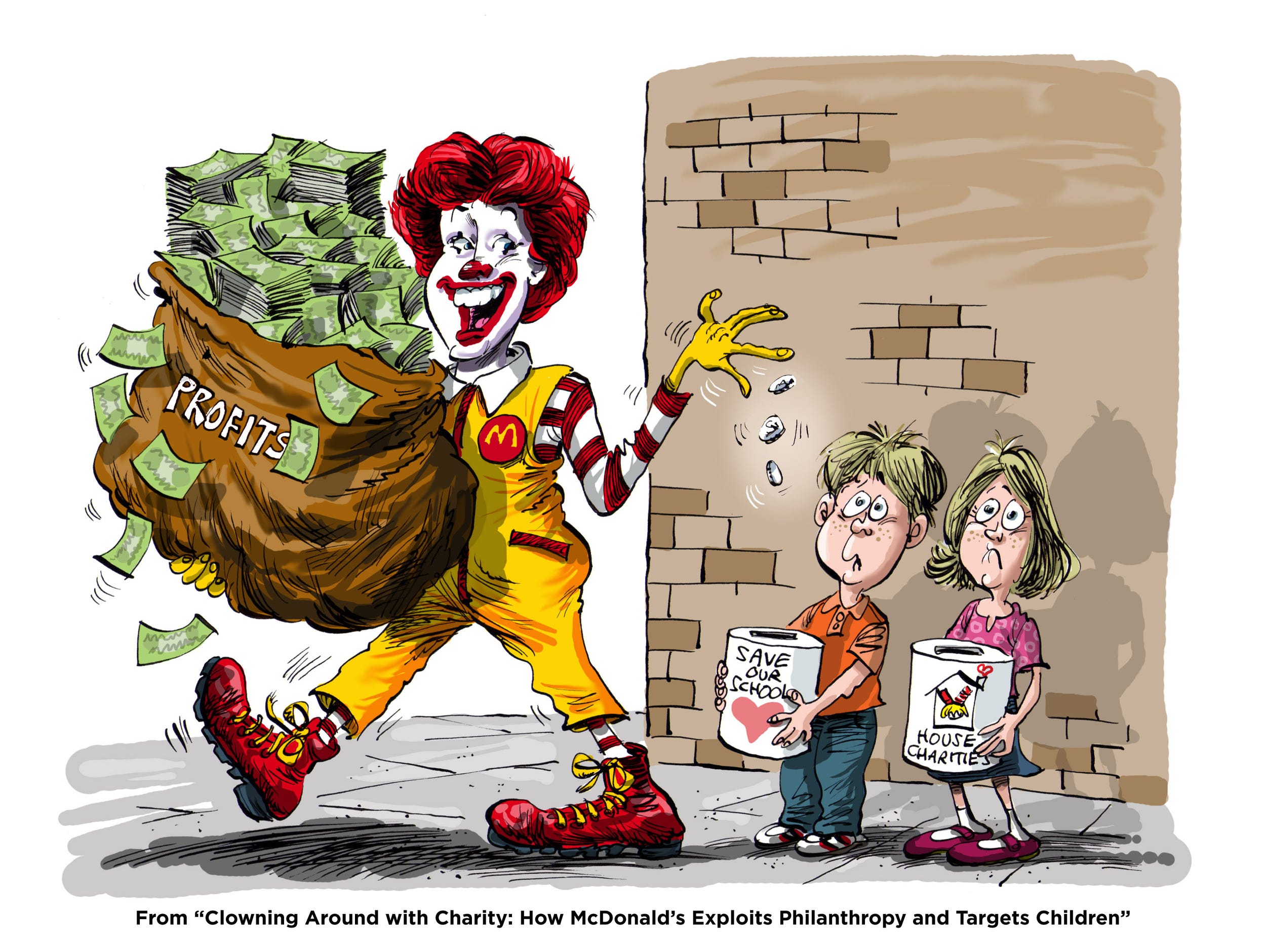
And no one profits more from this disconnection than the ultra-rich and the politicians who serve them.
Let’s be clear: the U.S. economy isn't broken. It’s working exactly as designed — for the top 1%. Since the 1980s, the economy has grown exponentially, but almost none of those gains have reached working families. Wages are stagnant. Housing is unaffordable. Healthcare is a roulette wheel. And still, we’re told that someone else — immigrants, single mothers, teachers, union workers — is to blame.
It’s a distraction. A well-funded one.
When we stop caring about each other, the powerful have a green light to write laws that enrich themselves and devastate the rest of us. Because who's going to stop them? A divided public that can’t agree on basic decency, a population taught to see compassion as weakness, can never be really free.
We've been conditioned to think that rugged individualism is patriotic. But rugged individualism without empathy is just selfishness in a flag hat.
We’ve lost something fundamental: a sense of community. Not the social media kind — the real kind. The kind that says, “Your suffering matters to me, even if I don’t share it.” That kind of connection isn’t just morally right — it’s necessary for any functioning democracy.
Because the truth is, no one can do it alone. Climate collapse, pandemics, economic crashes — none of these disasters care about your political party, your zip code, or your tax bracket. The walls we’ve built around ourselves won’t save us.
A wise man once said, “As you do unto the least of them, you do unto me.” And no matter what you believe spiritually, that idea — that the measure of a society is how it treats the vulnerable — is the beating heart of any moral democracy.
So let’s remember: we are not enemies. We are neighbors. And our future depends on whether we start acting like it again.
We are all in this together. The sooner we realize that, the better our country will be.
Art - uncredited